
|
Getting your Trinity Audio player ready...
|
I had the pleasure of sitting down with Jeannine Luby — stand-up comedian, author, motivational speaker, and host of Uncorked with Funny Wine Girl — for a conversation that covered a lot of ground. My journey from Wolverhampton to Scranton, Pennsylvania. What it means to help artists find their voice online. And why the performing arts world is one of the most interesting and underserved spaces in social media marketing.
It got me thinking about how much my work with Scranton Fringe has shaped the way I think about content strategy — and why I think every social media professional should work with a client outside their comfort zone at least once.
What Scranton Fringe Actually Is
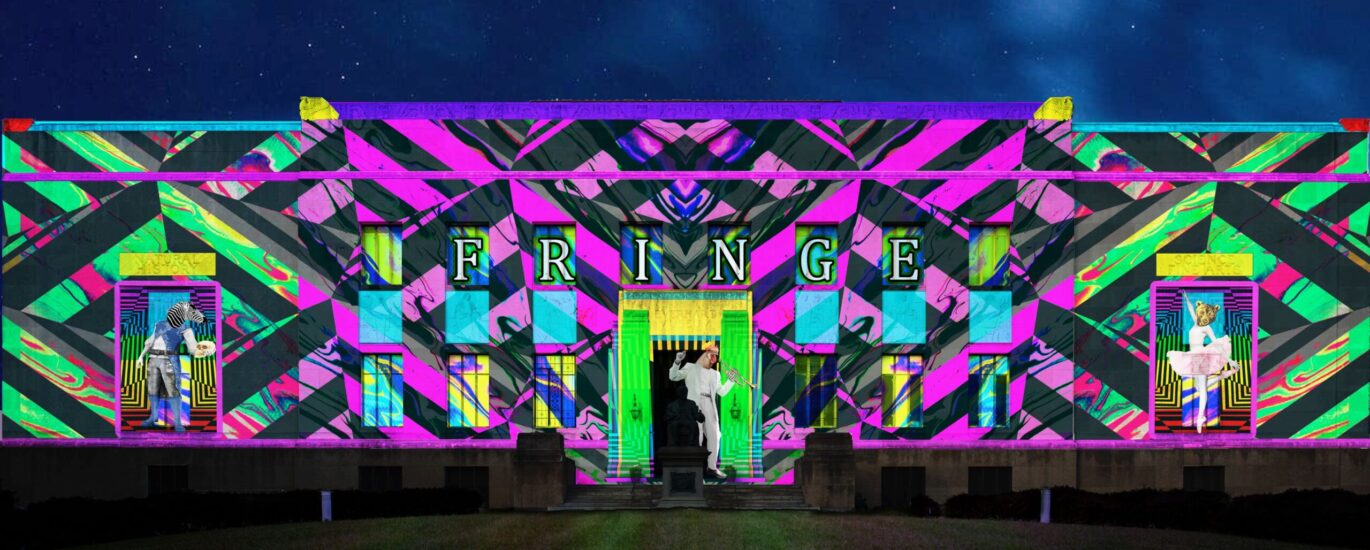
For those who don’t know, Scranton Fringe is a performing arts organization based in Scranton, Pennsylvania — one of only 32 recognized festivals nationally by the U.S. Association of Fringe Festivals. They produce year-round events including theater productions, StorySlams, music showcases, and their flagship annual Fringe Festival every October.
I’ve been their Social Media Manager for a while now, and it has been one of the most creatively demanding and rewarding professional experiences of my career.
Why Performing Arts Is a Different Animal
Here’s the thing about social media for performing arts that nobody really talks about: the stakes are completely different.
When I’m working with a product-based business, there’s flexibility. You can run a flash sale. You can restock. You can push a campaign harder if something isn’t landing. But with live performance, you have one shot. A specific venue. A specific date. A room that holds a fixed number of people. When the curtain comes down, that’s it.
That changes everything about how you approach content.
It’s not enough to build awareness — you have to build anticipation. It’s not enough to get followers — you have to get those followers off their phones and into seats. The content calendar isn’t just about staying consistent; it’s about moving an audience through a journey that ends with them buying a ticket and actually showing up.
That kind of precision sharpens your skills in ways that traditional brand work simply doesn’t.
What I’ve Learned That I’ve Taken Everywhere Else
Working with Scranton Fringe has made me a better strategist across the board. Here’s what it’s reinforced:
Community is everything. Scranton has an incredibly strong sense of local identity, and content that taps into that civic pride consistently outperforms content that doesn’t. This applies everywhere — audiences want to feel like they belong to something, not just that they’re being sold to.
Timing is a strategy, not an afterthought. With live events, every post has a job to do at a specific point in the audience’s decision-making journey. Early content builds awareness. Mid-run content builds urgency. Day-of content converts. Mapping content to that journey — rather than just posting when it feels right — is something every brand should be doing.
Specificity beats polish. The posts that perform best for Scranton Fringe aren’t the most produced ones. They’re the ones that feel real, specific, and rooted in the actual people and stories behind the work. Audiences can smell generic from a mile away.
The Course That Came Out of It
All of this — the strategy, the lessons, the hard-won knowledge of what actually works for live performers — is what I built my course around.
Social Media for Performing Artists is a four-week Zoom course designed specifically for people who perform live and want their online presence to actually do something. Not a generic marketing course with a theater spin. A course built entirely around the reality of getting people off social media and into seats.
It runs four Tuesday evenings — April 8, 15, 22 and 29 — at 6:30 p.m., and spots are limited to keep it hands-on.
Everything I’ve learned working in this space — the strategy, the timing, the community-first thinking — is the foundation of what I offer through Content By Melanie J.
Whether you’re a performing arts organization that needs full social media management, a creative business that wants a strategic roadmap you can run yourself, or a performer who’s tired of posting into the void — I know this space, and I know what works in it.